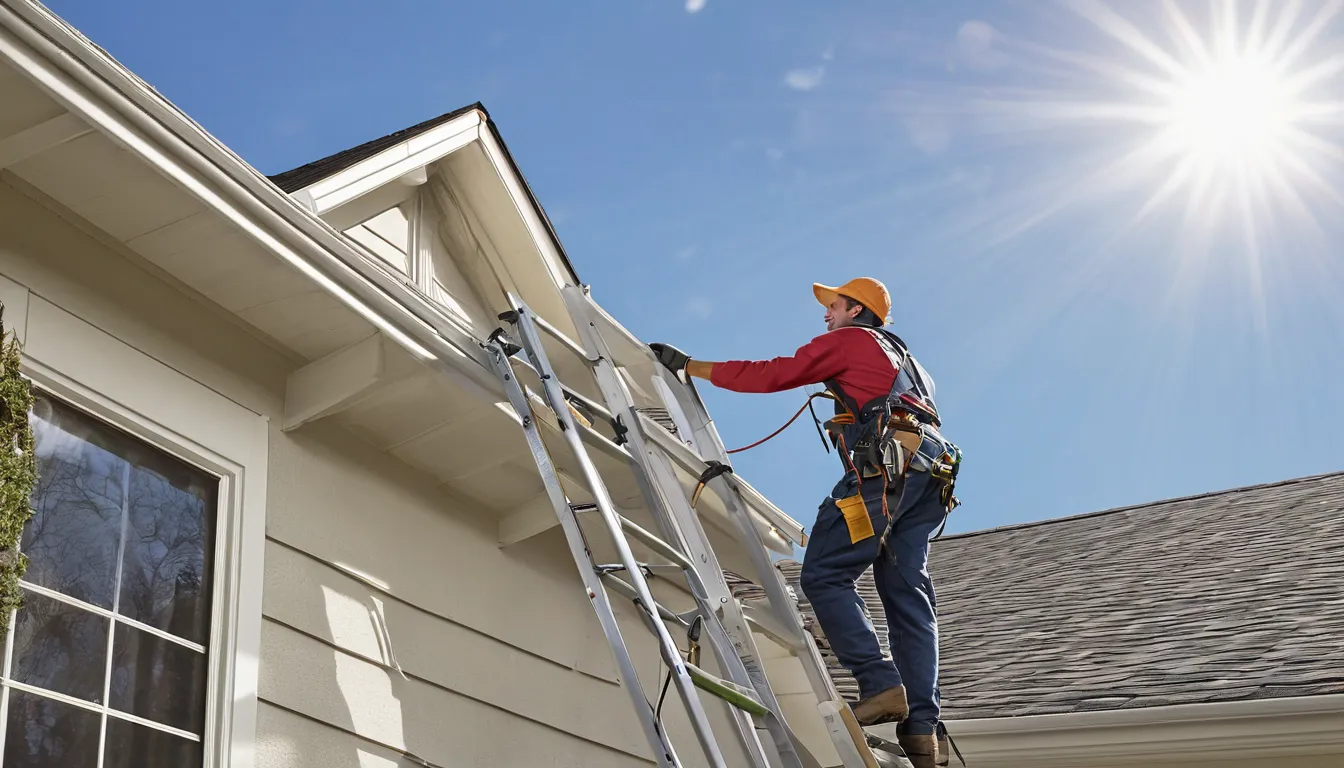
A lot of people think a small noise means a small problem. In practice, mice, rats, squirrels, and raccoons can chew wires, foul insulation, and multiply while you wait. Wildlife removal tends to go more smoothly when the animal is found early and the way in is closed.
Techarrested Pest Control is a referral service. We do not do the work. We connect homeowners across the Lone Tree area with independent providers in our network who handle rodent control and wildlife removal. Referral, not repair. Tell us what you are hearing or seeing, and we point you to a provider who can look at it. Busy household? Ask the provider to plan the visit around school runs and work hours.
Scratching Overhead? Start Here
Searching for an exterminator near me can feel urgent at 2 a.m. when something thumps above the bedroom. Take a breath. Most rodent and wildlife problems are fixable.
The first step is simple. Find out what the animal is and how it got in. Local providers in our network handle both parts. Techarrested Pest Control only connects you with them.
Get Started
Myth: "It Will Leave on Its Own"
A lot of people think a stray squirrel or a few mice will move along. In practice, a warm attic or wall space is a great home. Food is close. Nesting material is easy to find. Many animals stay put, and some raise young right where you hear them.
Spring and early summer are common times for babies in attics. Cold snaps push mice indoors in fall and winter. Either way, waiting rarely helps.
Why Fast Action Matters
Rodents chew. That includes wiring, pipes, and wood. Chewed wires are a fire concern, so treat that scratching seriously.
Droppings and urine soak into insulation and drywall. They can leave smells and stains that spread. Mice can also breed quickly, so a small group can become a large one.
If you have a mother animal with young, the order of work matters. A provider can plan it so babies are not left behind.
Signs to Watch For
Sounds
Scratching, thumping, or scurrying in walls and ceilings. Noise at dusk or dawn often points to squirrels or raccoons. Night noise often points to mice, rats, or bats.
Marks and Droppings
Look for small dark pellets in drawers, garages, and along baseboards. Greasy rub marks on walls, gnawed boxes, and shredded paper are other clues.
Smells and Damage
Musty or sharp odors, stained ceilings, torn vent screens, and flattened insulation all suggest a visitor. So do pulled-up shingles or a chewed soffit edge.
Common Animals Providers Handle
Providers in our network commonly work with:
- Mice and rats
- Squirrels and chipmunks
- Raccoons and skunks
- Bats, which have special rules
- Birds nesting in vents
- Other wildlife that settles under decks or in crawl spaces
Not every provider takes every animal. Ask first.
Get Started
How Removal Really Works
Myth: one trap fixes everything. Fact: trapping is only one piece. A solid visit usually covers these steps:
- Inspection of the roofline, vents, foundation, and garage
- Identifying the species and where it enters
- Removal using traps, one-way doors, or other methods
- Sealing the openings with durable materials
- Cleanup and, when needed, insulation repair
If the entry point is left open, new animals tend to find it. Sealing is what makes the fix last.
Humane Handling and Local Rules
Many people assume any method is allowed. It is not. State and local rules cover many wildlife species. Some animals cannot be moved, and bats may be protected during certain months.
A reputable provider knows these rules and explains them before work starts. Ask how they handle young animals and what happens to the animal afterward. A clear answer is a good sign.
Choosing a Removal Provider
A few plain questions go a long way:
- Do you handle this species?
- Will you inspect the whole house, not just the attic?
- Is sealing part of the quote?
- What is the follow-up plan if noises continue?
- Will you give the quote in writing?
Be careful with anyone who offers poison alone for wildlife in walls. A dead animal in a wall can create a bigger problem.
Get Started
Keeping Animals Out
Prevention is easier than removal. Newer frame homes with stucco or wood siding can have small gaps at rooflines, vents, and utility lines. Heavy snow, hail, and dry sun can crack trim and loosen flashing over time.
- Trim branches back from the roof
- Cap chimneys and screen vents
- Store pet food and birdseed in sealed bins
- Seal gaps around pipes and wires
- Keep basement windows and garage doors tight
Check these spots after a big storm or a fast spring melt.
Plan Around Life
Busy households worry about strangers on the roof and noise at nap time. Tell the provider about school runs, work-from-home calls, and pets. Many visits can be scheduled around your day, and most work happens outside or in the attic.
Bed bug treatment and other pest jobs are separate services with their own providers. Residential pest control for ants or spiders is handled elsewhere on this site.
Referral, Not Repair
Techarrested Pest Control does not send its own workers. We take your request, then route it to an independent provider in our network. The provider sets the quote, the method, and the schedule. You decide whether to hire them.
Get Started
What's Included
Entry Point Inspection
A provider checks the roofline, vents, foundation, and garage to find where animals are getting inside.
Species Identification
Droppings, sounds, and damage help show whether you have mice, rats, or larger wildlife.
Removal and Exclusion
Traps or one-way doors remove animals, then sealing helps keep them out.
Cleanup Options
Some providers can also clean droppings and replace damaged insulation, if you ask.
Typical Rodent and Wildlife Removal Costs
Prices vary by animal, home size, and how hard the entry points are to reach. These are typical U.S. ranges only. Always get a written quote before you agree to work.
| Service | Typical range | Notes |
|---|
| Inspection | $100 – $300 | Some providers include it if you hire them |
| Mouse control | $150 – $600 | Often needs follow-up visits |
| Rat control | $250 – $900 | Depends on how far they have spread |
| Squirrel or raccoon removal | $300 – $1,000 | Young animals can add to the work |
| Sealing entry points | $200 – $1,500 | More gaps and higher roofs cost more |
| Attic cleanup and insulation | $1,000 – $6,000 | Depends on the size of the damage |
Get Started
How It Works
Tell Us What You Hear
Request a callback or send the request form. Describe the noises, droppings, or damage you have noticed.
We Route Your Request
Your details go to a provider in our network who handles that kind of animal.
Provider Inspects and Quotes
The provider looks at the home, explains the plan, and gives a written quote.
Work Fits Your Schedule
You approve the plan and pick a time. Removal, sealing, and cleanup follow.
Why Call Techarrested Pest Control
Honest Referral Role
Techarrested Pest Control connects you with providers. We do not do the work ourselves.
Local Providers
Independent providers in our network serve homes across the Lone Tree area and know regional building styles.
No Obligation
Asking for an estimate does not commit you to hire anyone. You choose.
Easy Scheduling
Tell the provider about your family routine so the visit fits your week.
Other Services