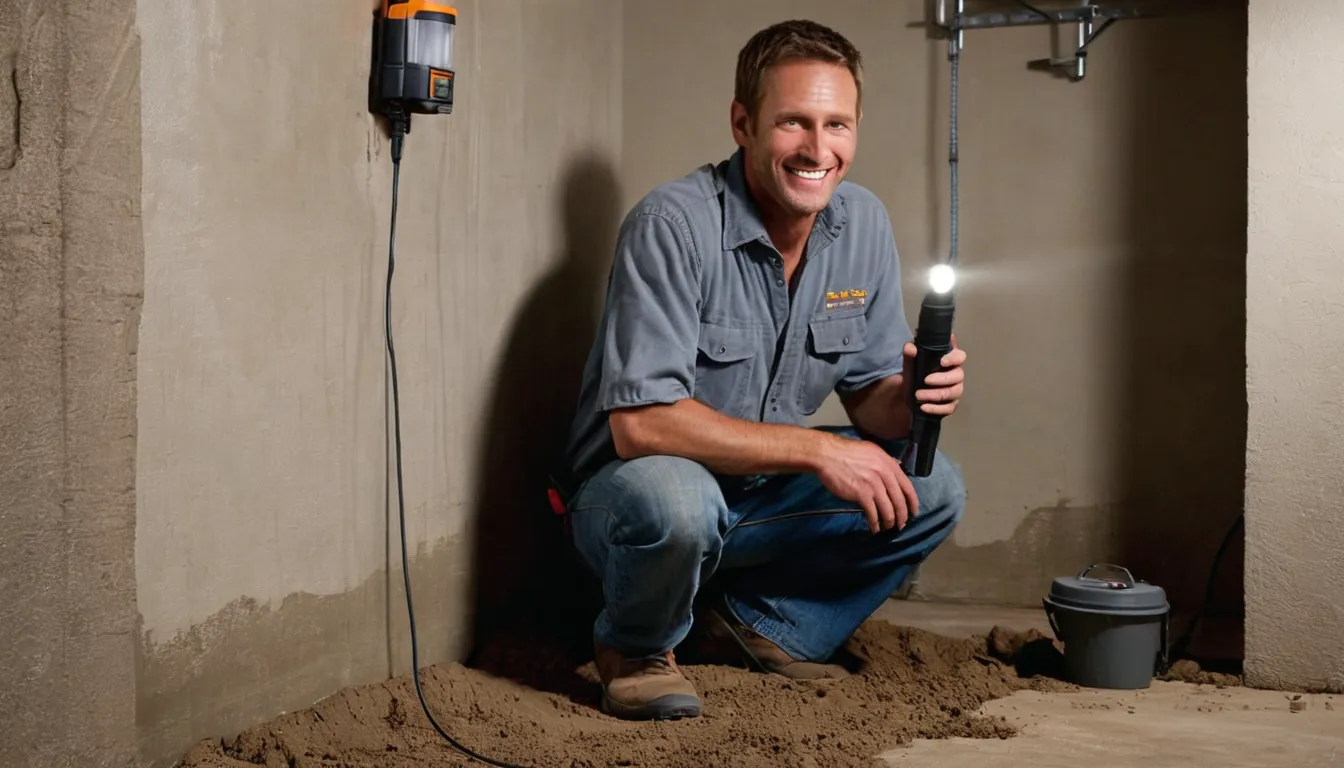
Many homeowners assume termites are a problem for old, damp houses. In practice, newer frame homes with wood trim, stucco, and basements can be a fine home for them too. Techarrested Pest Control is a referral service. We do not inspect or treat homes ourselves.
What we do is connect you with an independent provider in our network who handles termite work in the Lone Tree area. You tell us what you found. We route your request. The provider then explains the inspection, the treatment choices, and the cost in writing. Plan around life: you can ask for visits that fit your family's schedule, and you can say no after you hear the details.
Think You Have Termites? Start Here
Myth: if termites were in your house, you would see them. Fact: they stay hidden inside wood and soil for a long time. So a small clue deserves a closer look.
If you found one, write down where and when. That note helps a provider a lot. Then reach out to a local provider through Techarrested Pest Control. Remember, Techarrested Pest Control only makes the connection. The provider does the inspection and the work.
Myth: Termites Only Want Wet, Rotten Wood
A lot of people think dry air keeps termites away. In practice, they get moisture from soil, a leaky pipe, or a damp corner of a basement. Then they feed on sound wood. Dry weather and strong sun do not make a house safe.
Why Prompt Attention Matters
Termites keep working quietly, even when you are asleep. Over months, they can weaken framing, trim, and subfloors. Repairs often cost far more than catching the problem early.
This is not a reason to panic. It is a reason to book an inspection soon, rather than waiting for next season.
Warning Signs Worth Noticing
Here are the clues providers hear about most. Any one of them is a good reason to ask for an inspection.
Mud tubes and dirt trails
Thin tunnels of dirt run along foundation walls, crawl spaces, or basement beams. Termites use them to travel safely. Break one open. If it is repaired later, that is a strong hint.
Winged insects indoors
Swarmers often appear in spring, near windows and lights. Piles of tiny, clear wings are another clue. Myth: flying ants and swarmers look the same. Fact: swarmers have straight antennae and a thick waist, and a provider can tell you for sure.
Wood that sounds hollow
Tap baseboards, door frames, and window trim. Hollow sounds, sagging spots, or paint that bubbles can point to damage underneath. Tiny pellets near wood can signal drywood termites.
Get Started
Types of Termites Providers See
The type matters, because it changes the plan. A provider will identify it during the visit.
Subterranean termites
These live in soil and travel up into the house. They are a very common kind in the U.S. Treatment usually focuses on the soil around the foundation.
Drywood termites
These live inside the wood itself and need little outside moisture. Treatment can target one area or the whole structure, depending on how far they have spread.
Dampwood termites
These prefer very wet wood. Fixing the leak or drainage issue is often part of the fix, along with any needed treatment.
How Termite Treatment Works
Myth: one spray and you are done. Fact: the right method depends on the termite type, the home, and how far the activity has spread.
Inspection comes first
The provider checks the foundation, attic, crawl space, basement, and exterior wood or stucco edges. Expect a written report with findings and options.
Barriers, baits, and spot work
Common choices include a liquid treatment in the soil, bait stations placed around the home, and targeted treatment of infested wood. Some jobs use more than one method.
Follow-up visits
Many plans include a check after the main work. Ask the provider what the schedule looks like and what the written warranty covers.
Plan Around Life, Not the Other Way Around
Busy household? Say so when you make the request. Many termite jobs run on a single visit or a short series of visits. Ask the provider about timing, pets, kids, and whether anyone needs to leave the house.
It also helps to clear a path to the garage, basement, and exterior walls before the visit. That keeps the job short and the disruption low.
Termite Inspections for Home Sales
Buying or selling? Lenders and buyers often ask for a termite inspection report. A provider can write one, but timing varies. Ask early so a surprise does not slow down closing.
If activity turns up, you can usually compare treatment quotes before moving forward. Having a written plan can make the talk with a buyer or seller much calmer.
Get Started
Choosing a Termite Provider
Not sure what to look for? Keep it simple. Ask these questions and compare answers.
- Is the provider licensed in your state for termite work?
- Will they give you a written quote and a written report?
- What method will they use, and why that one?
- What does the warranty cover, and for how long?
- Do they offer follow-up checks?
Providers in our network are independent businesses. Techarrested Pest Control does not set their prices or run their jobs. Feel welcome to ask for more than one quote.
After Treatment
Keep an eye on the areas you noted before. New mud tubes or more swarmers can mean you should contact the provider again. Fix leaks, move firewood away from the walls, and keep soil from touching wood siding.
Some policies may cover sudden damage, but termite damage is often treated as wear over time, so check your policy. Providers can often help document damage for a claim.
What's Included
Inspection Report
A provider checks the foundation, attic, basement, and exterior wood and writes down what they find.
Treatment Plan
You get options in writing, matched to the termite type and the home.
Barrier or Bait
Soil treatments, bait stations, or spot work, chosen by the provider for your house.
Follow-Up Checks
Many plans include return visits. Ask what the warranty covers and how long it lasts.
What Termite Work Often Costs
Prices vary a lot by home size, termite type, and method. These are typical U.S. ranges only. Always ask the provider for a written quote before work starts.
| Service | Typical range | Notes |
|---|
| Termite inspection | $75 – $300 | Some providers fold this into treatment |
| Spot treatment | $200 – $900 | For small, limited areas of activity |
| Bait station system | $1,000 – $3,000 | Installed around the home; monitoring may add cost |
| Liquid soil barrier | $1,200 – $3,500 | Depends on the length of the foundation |
| Whole-structure drywood treatment | $1,500 – $4,000+ | Large homes can cost much more |
| Annual monitoring plan | $200 – $800 per year | Varies by provider and home size |
Get Started
How It Works
Share What You Saw
Tell us about mud tubes, wings, or damaged wood. Short notes are plenty.
Get Routed
Your request goes to an independent provider in our network near you.
Review the Plan
The provider inspects and gives you a written quote and options.
Choose Your Next Step
Say yes, ask questions, or compare. The decision stays with you.
Why Call Techarrested Pest Control
Honest Referral Role
We say it plainly: we connect you with providers. We do not do the work.
Independent Providers
Each provider runs their own business, sets their own prices, and explains their own methods.
Easy Request
Tell us what you found. Your request is routed to a provider in our network.
Plan Around Life
Ask for visit timing that suits your family and schedule.
Other Services